Shelves collect things gradually, so it helps to begin by looking at them as a whole. Keep the books and objects you value, then give each group enough room to be seen.
This approach works for a bookcase or a few open shelves. Adjust the number of groups to the actual shelf depth and capacity rather than trying to copy an entire photograph.
Empty, measure and sort
Clear one shelf at a time and check its depth, usable height and stated load limit. Sort what you want to keep into books, larger objects and small accents. Set aside anything that belongs elsewhere. Check mounting guidance before placing heavy objects, and keep every base fully supported.
Place the larger anchors first
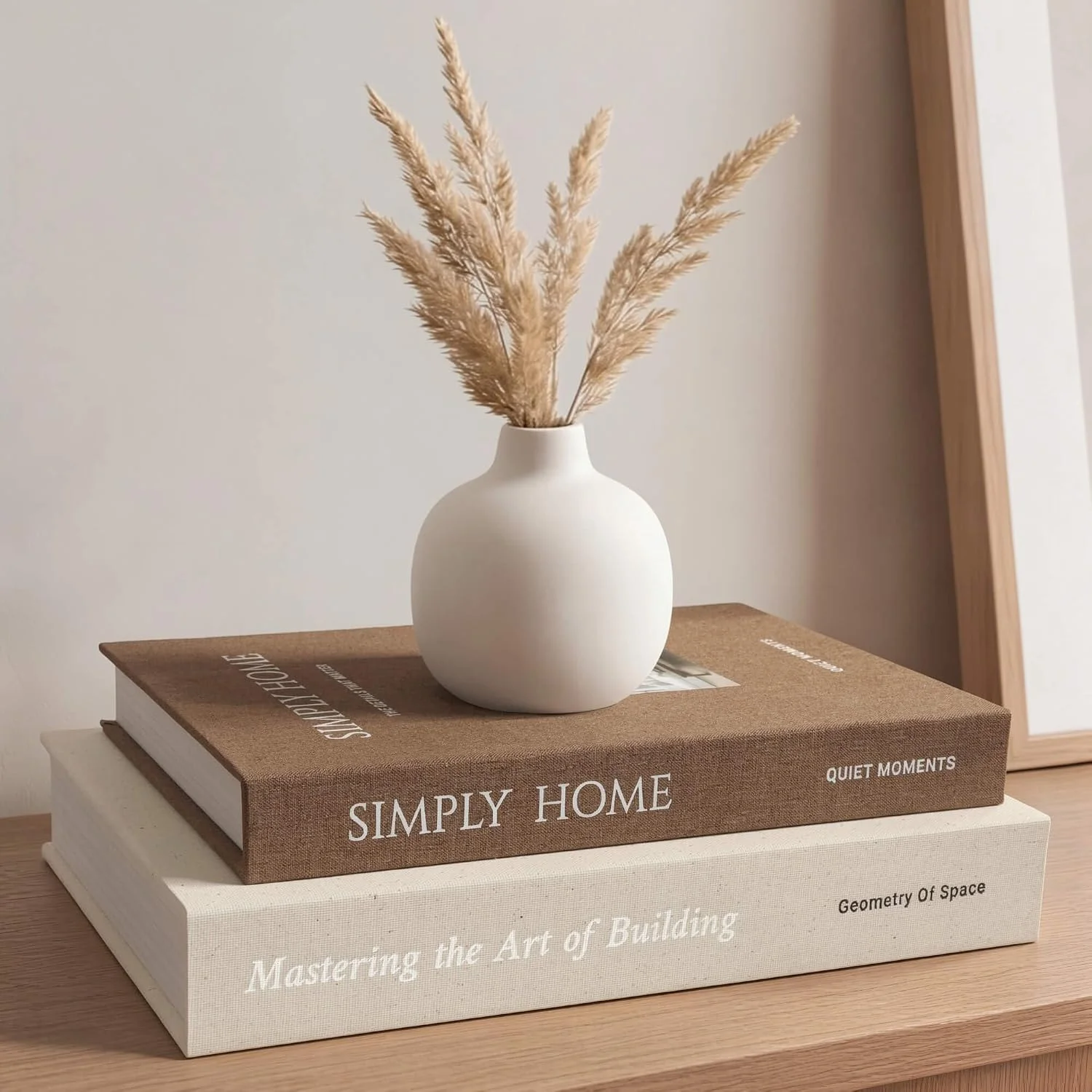
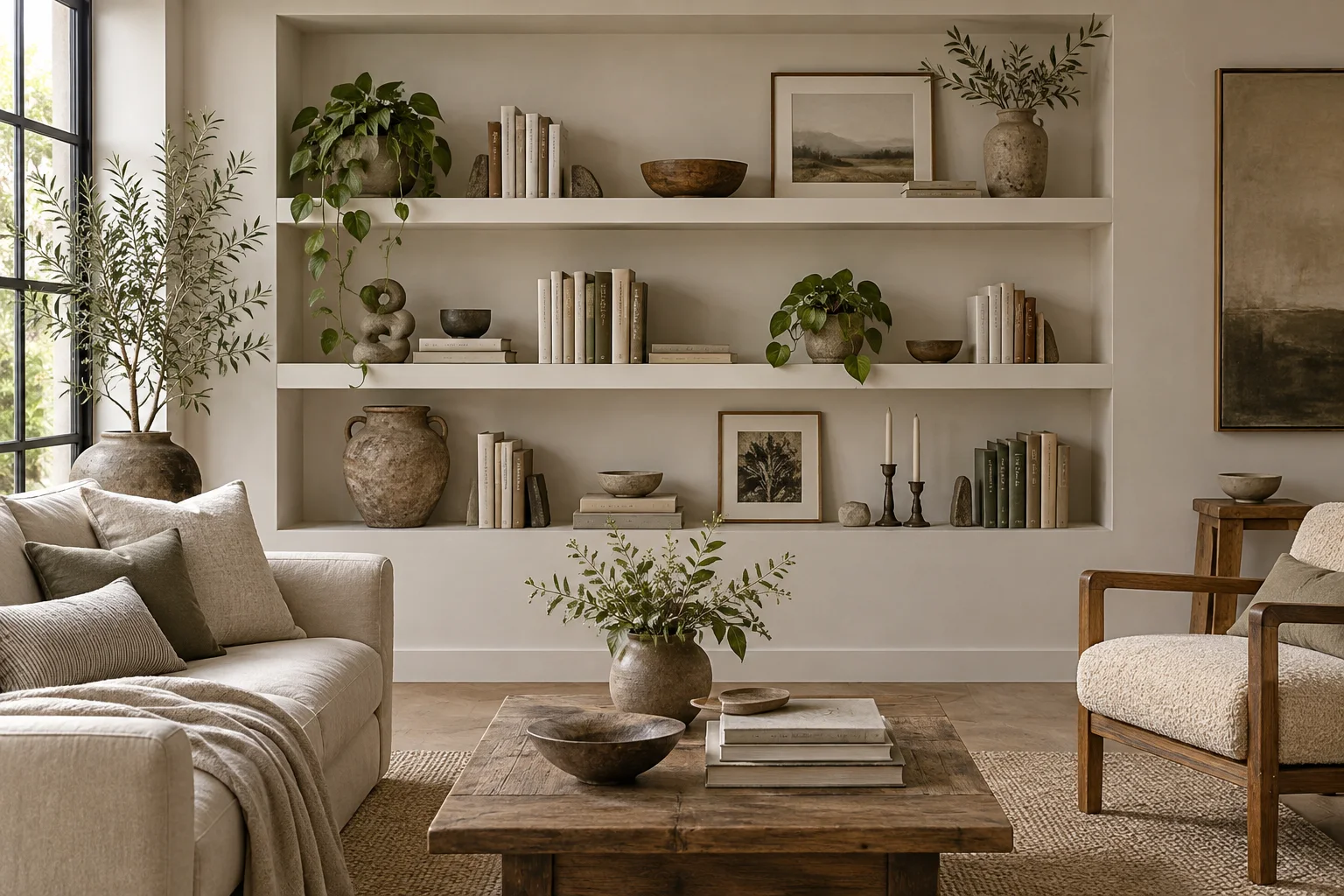
Start with substantial book groups and your larger decorative shapes. Spread them across the shelves so one area does not carry all the visual weight. Keep useful books reachable and avoid putting a heavy piece high up simply to fill an empty space. Leave room to adjust before adding smaller objects.
Alternate height and direction
Turn one book group horizontally and leave another upright. Offset a lower group on the shelf above rather than building identical vertical columns. Look for a gentle movement between levels. A common mistake is repeating the same three-object arrangement on every shelf, which makes personal pieces feel like a pattern.
Add a personal or organic shape
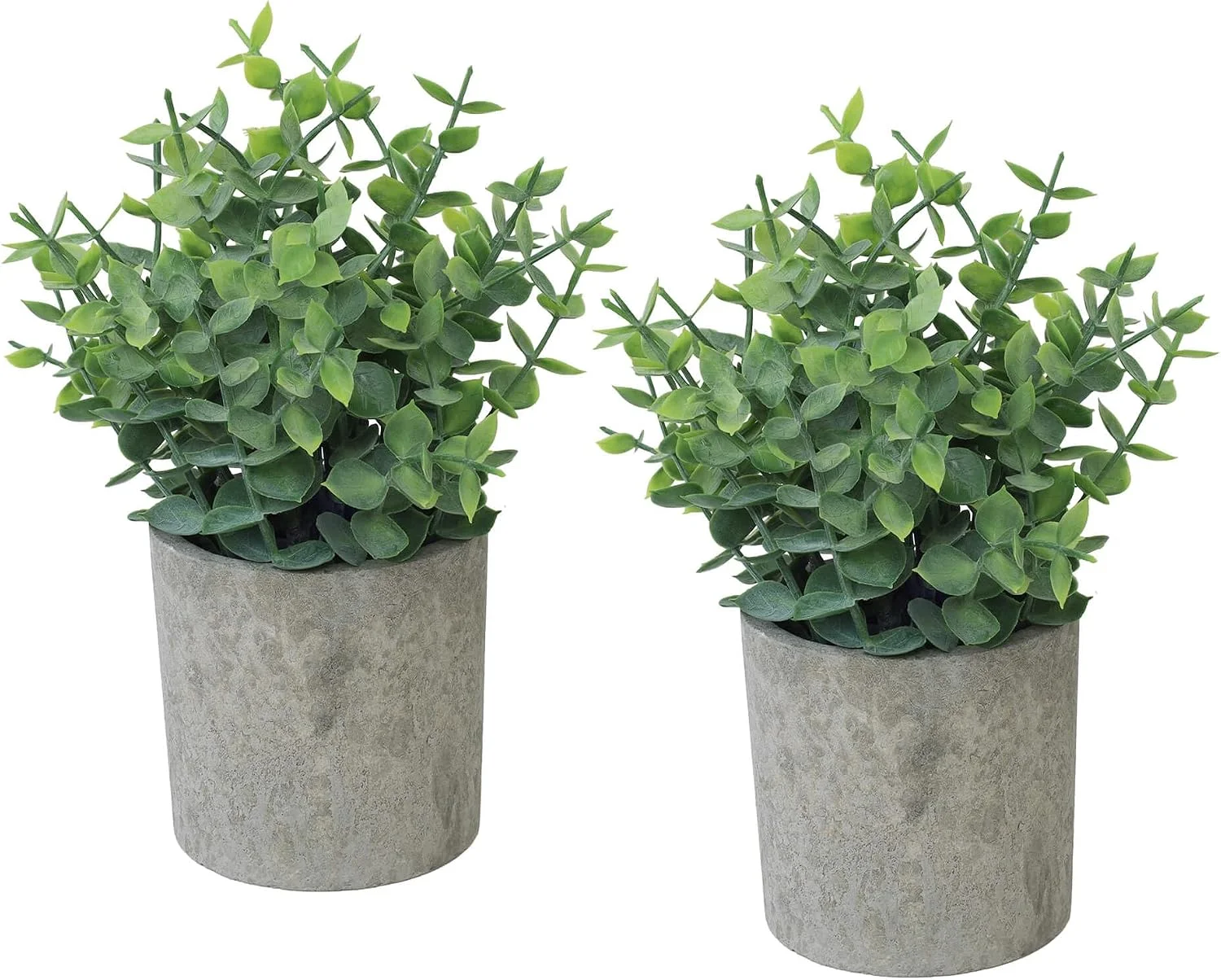
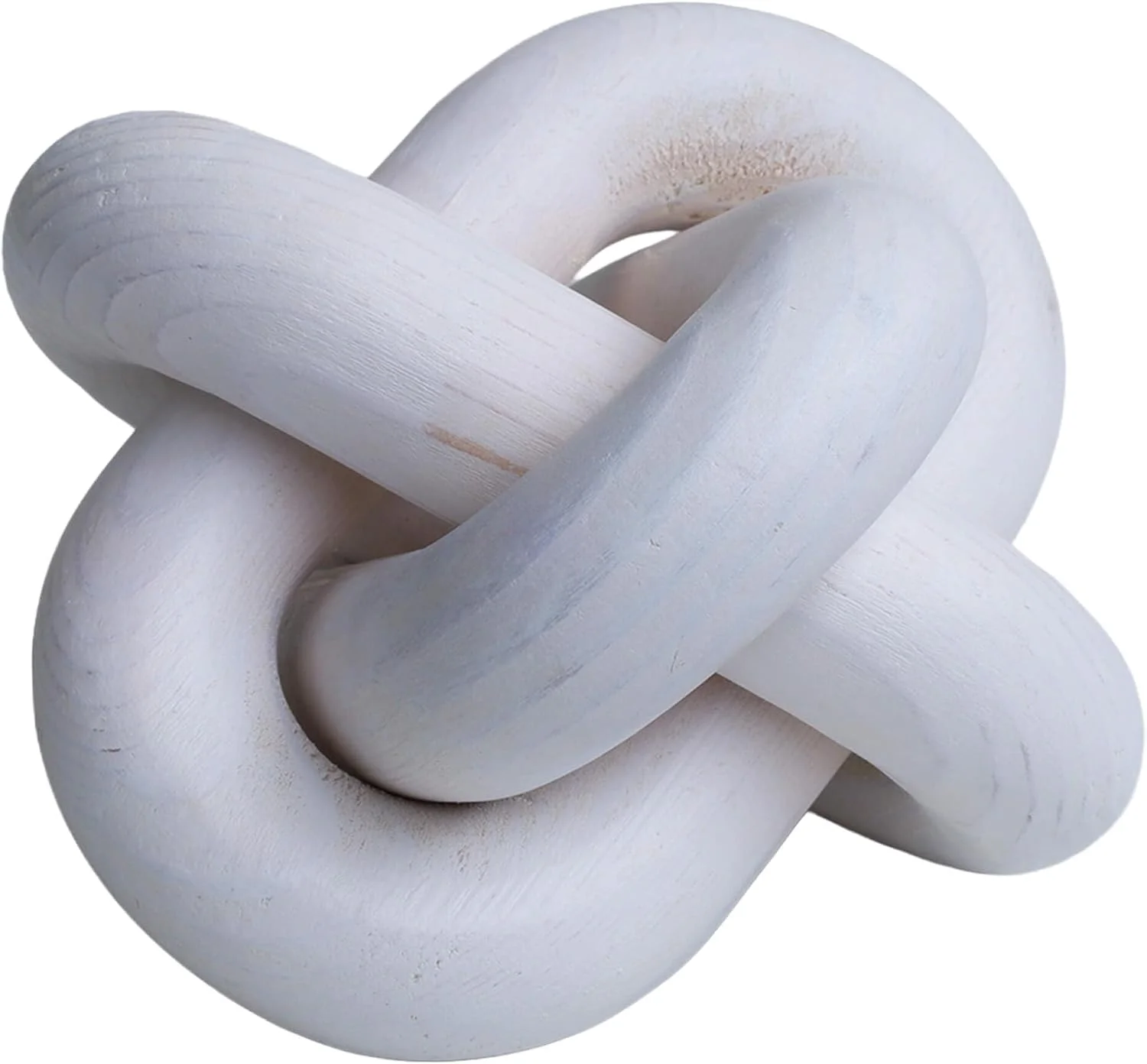
Introduce a framed piece, a small plant or an object with a softer outline where the books feel too rigid. Repeat a material in another area to connect the display. Keep foliage clear of neighboring objects and avoid filling every gap with a tiny accent that will be hard to distinguish from across the room.
Step back and simplify
View the shelves from the main seat and the room entrance. Remove a group if several outlines merge into a dense band. Open spaces do not need identical widths. Finally, take out a book and put it back: if that disrupts the whole arrangement, give the practical items more room.
A few helpful answers
Good to know
How do I style shelves around a television?
Keep the objects nearest the screen restrained and avoid projecting foliage or tall accents into the viewing area.
Can one shelf be mostly empty?
Yes. A quieter shelf can balance a denser group elsewhere, as long as the whole arrangement feels intentional to you.
What if my books have bright covers?
Group them in a way that feels natural and repeat a quieter material nearby. You do not need to conceal every color to create a balanced shelf.
Put the idea into practice
Explore a complete arrangement, then choose the details that suit your own space.