THE ROOMORA EDIT
Books set the rhythm
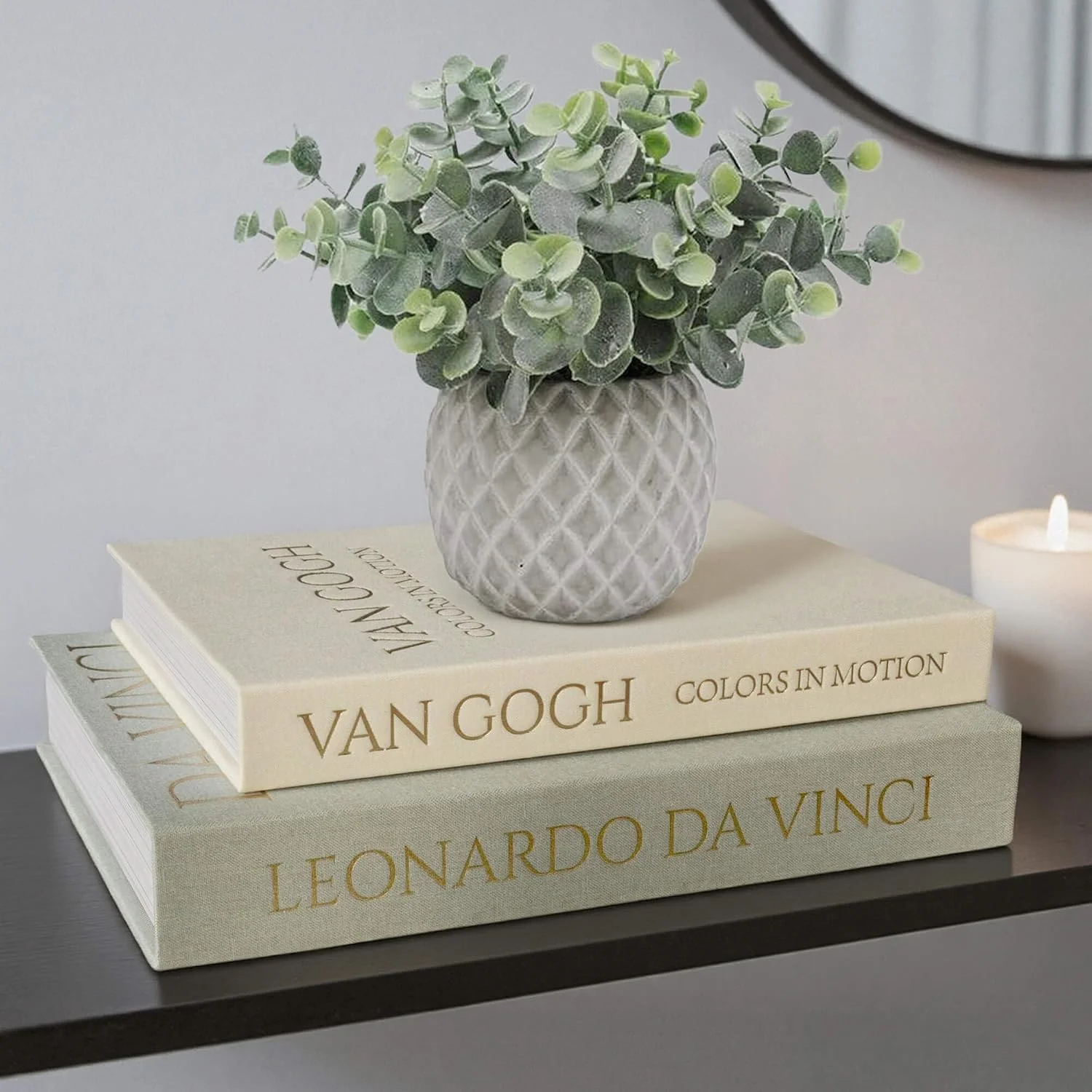
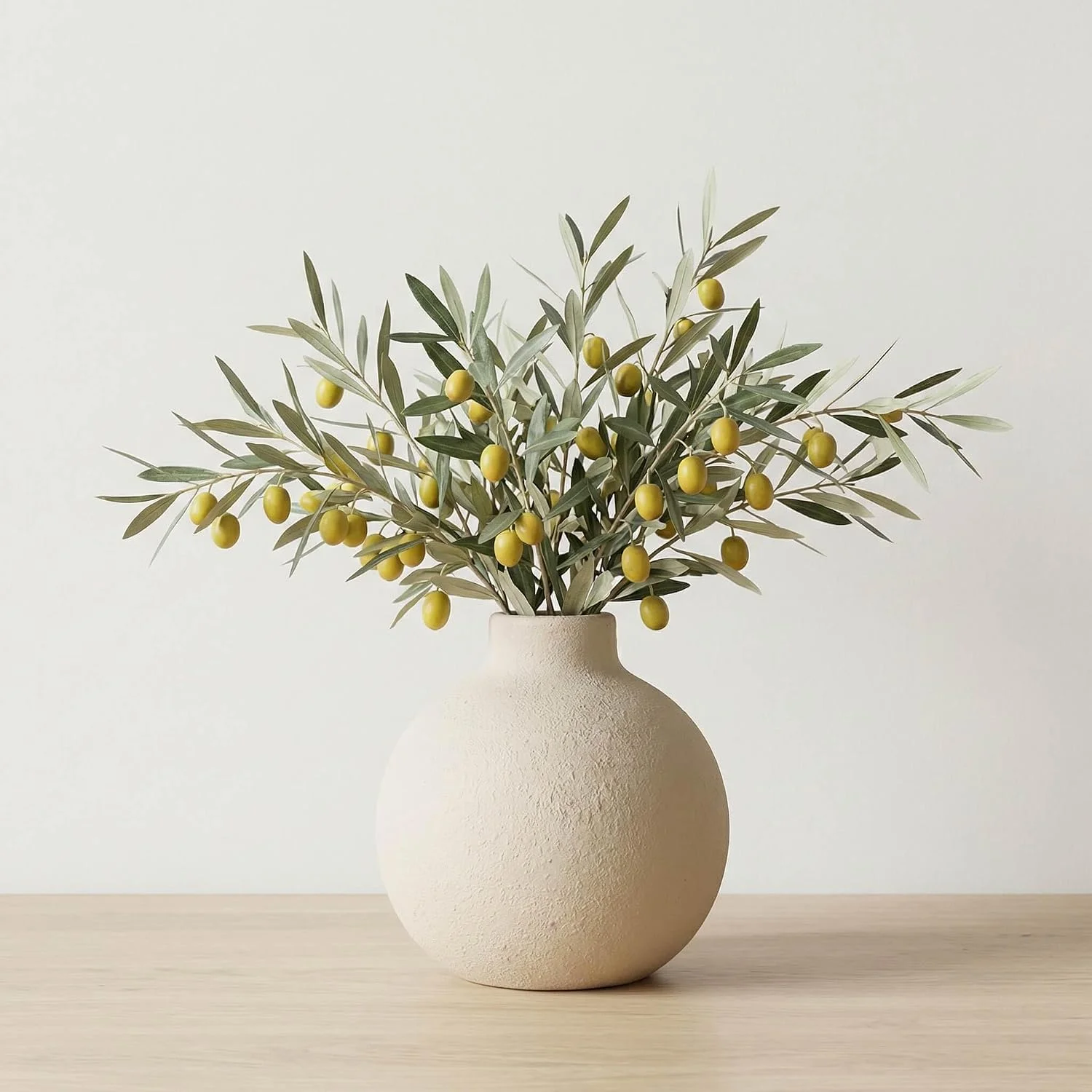
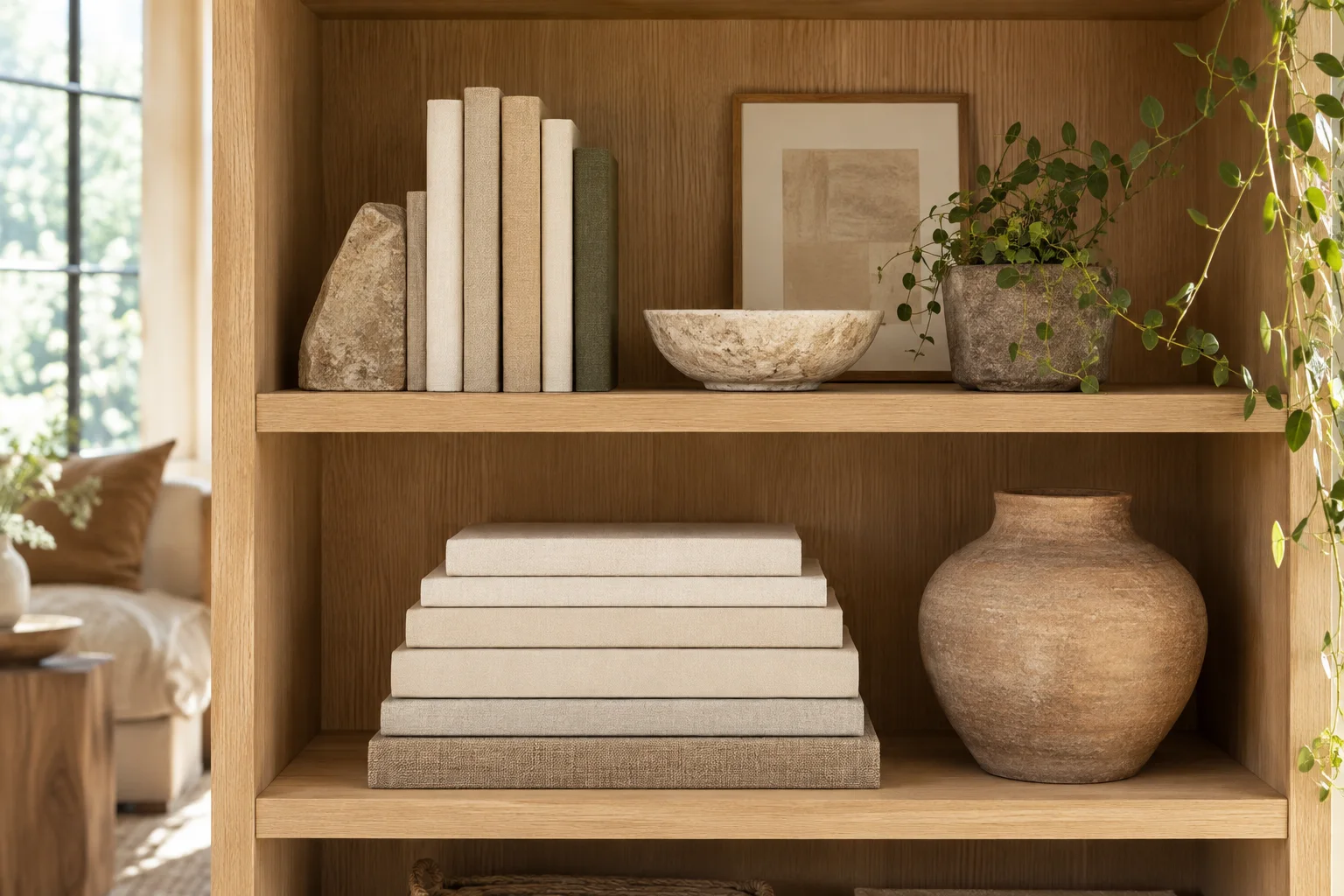
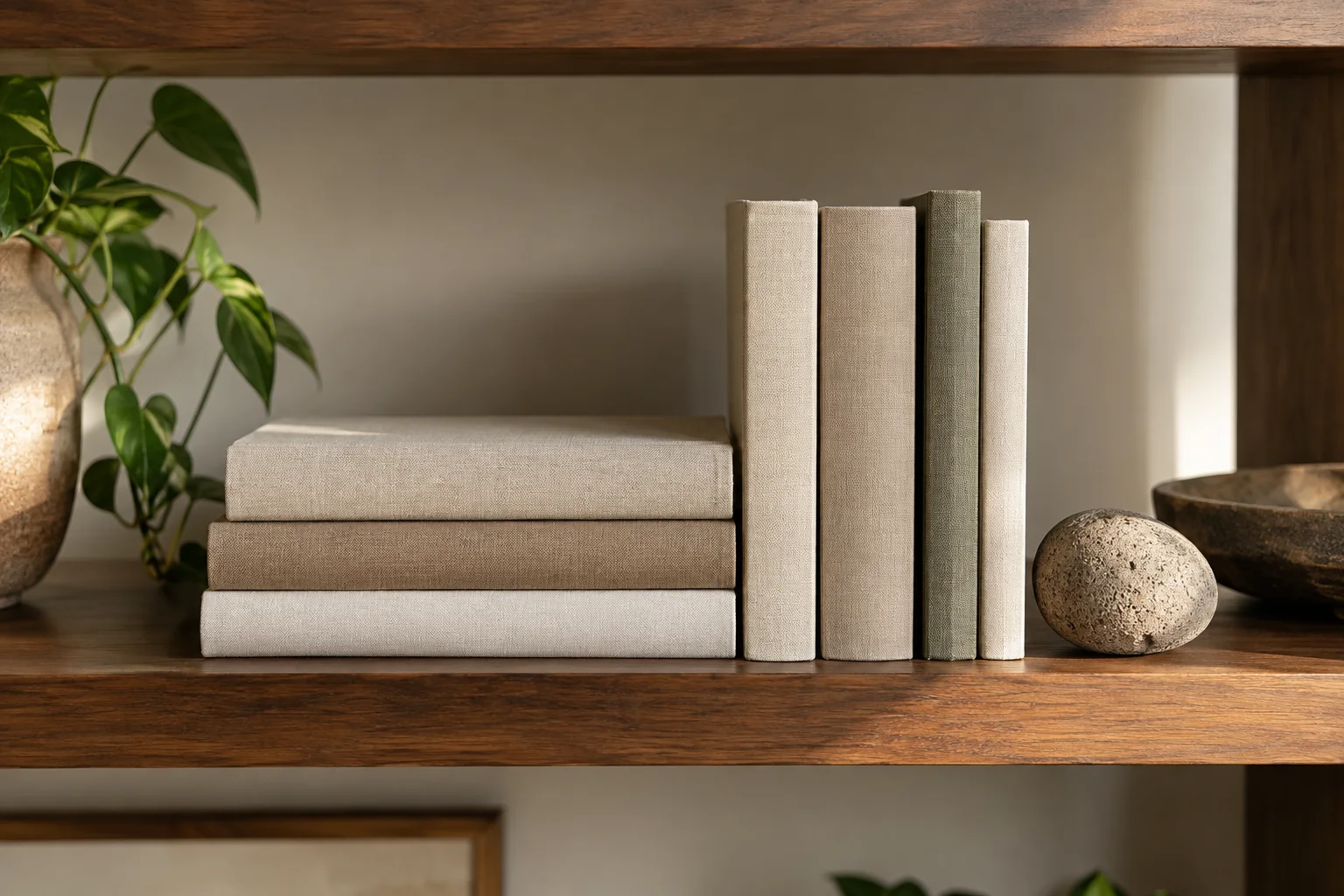
Combine a horizontal stack with an upright group and a rounded ceramic shape. Let the books provide structure while visible shelf space separates each group.
A CONSIDERED COLLECTION
Build a bookcase with an easy rhythm: grounded stacks, upright books and a few shapes that break up the lines.
Explore the looks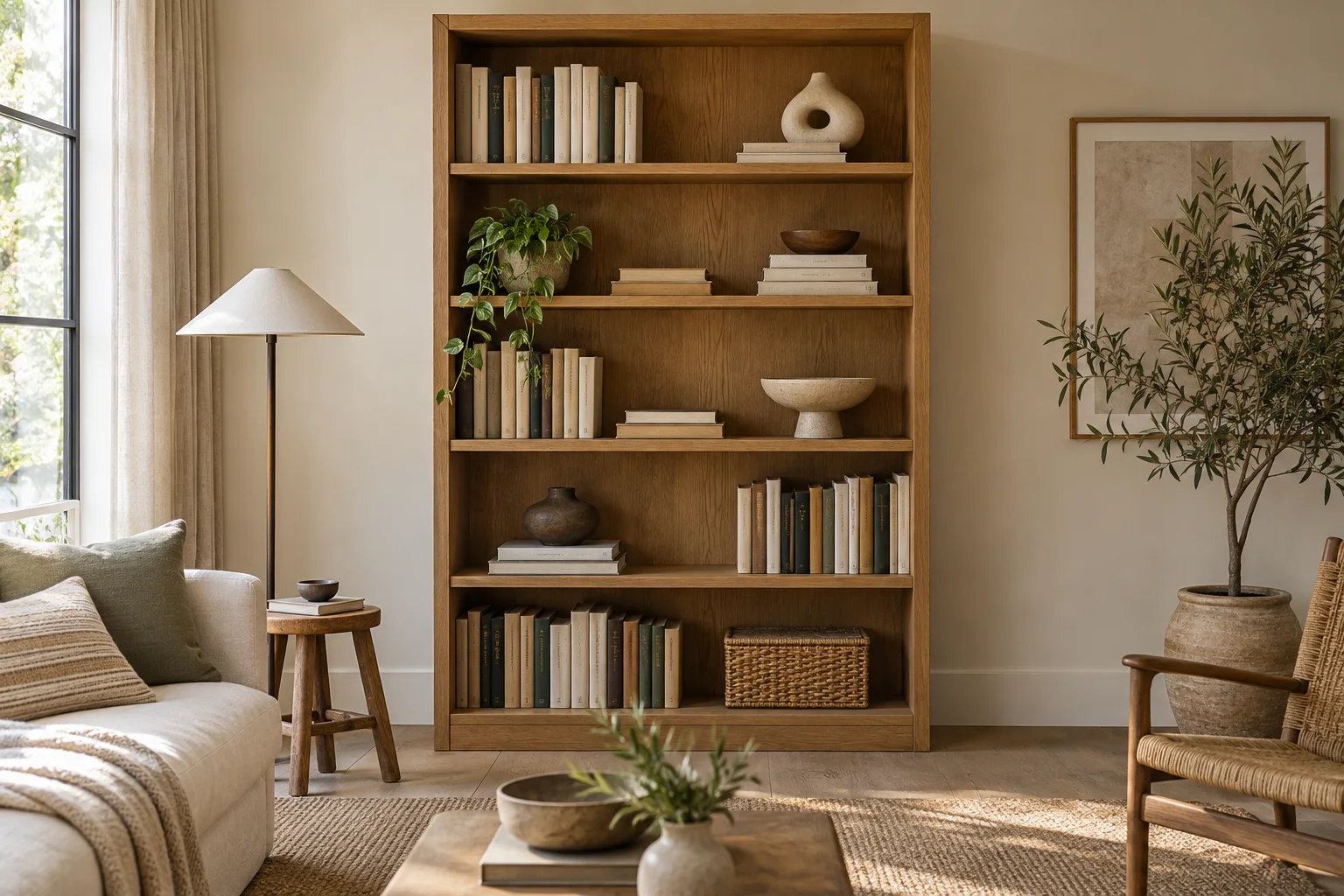
Styling inspiration; pictured objects are illustrative.
A THOUGHTFUL START
This edit explores two ways to style shelving: a quiet arrangement led by books, and a looser mix of organic shapes and greenery. Work with your own shelf dimensions and favorite objects.
STYLING IDEAS
Room scenes illustrate each idea. Suggested products are not exact matches to the objects pictured.
THE ROOMORA EDIT
Combine a horizontal stack with an upright group and a rounded ceramic shape. Let the books provide structure while visible shelf space separates each group.
THE ROOMORA EDIT
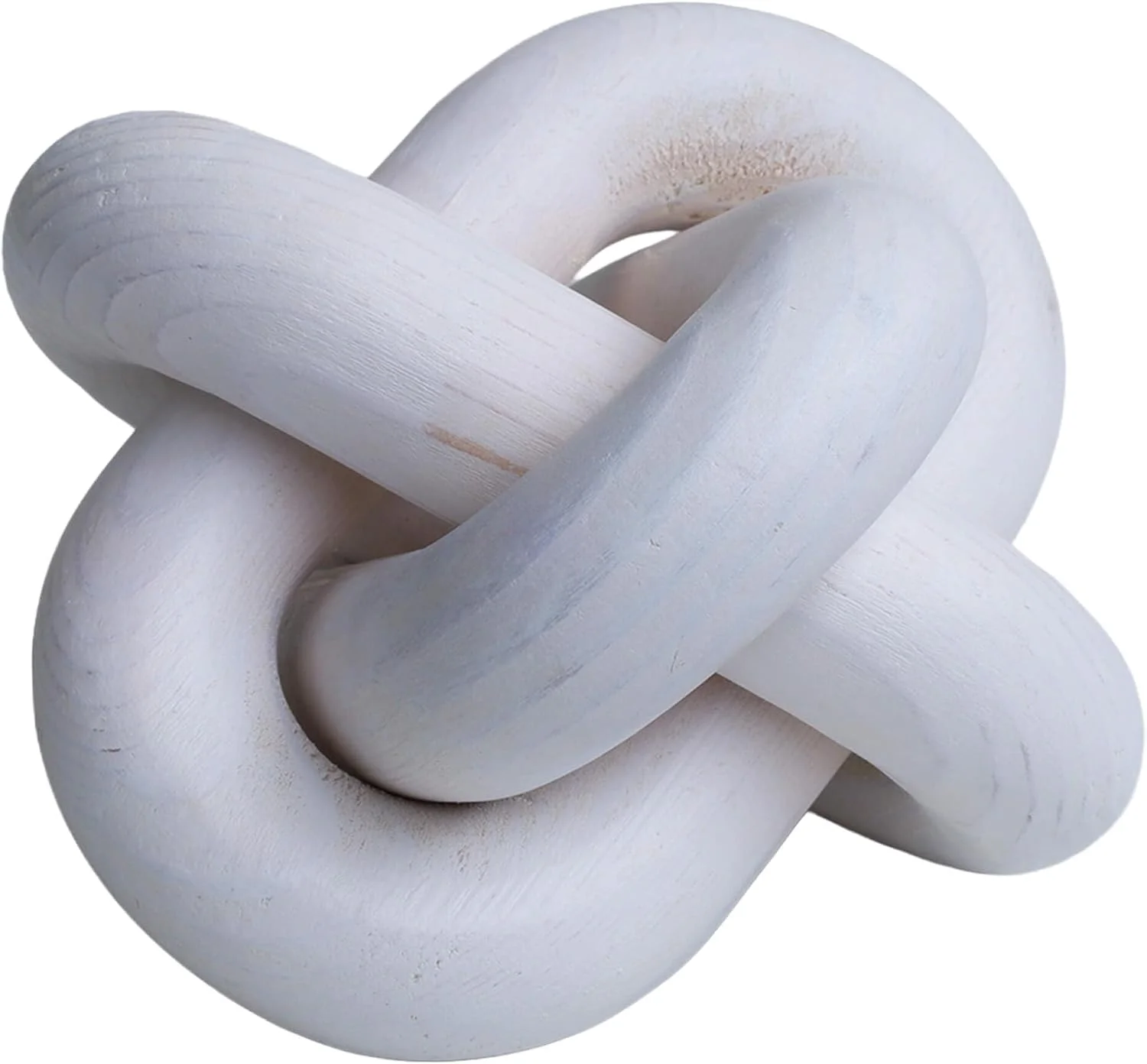
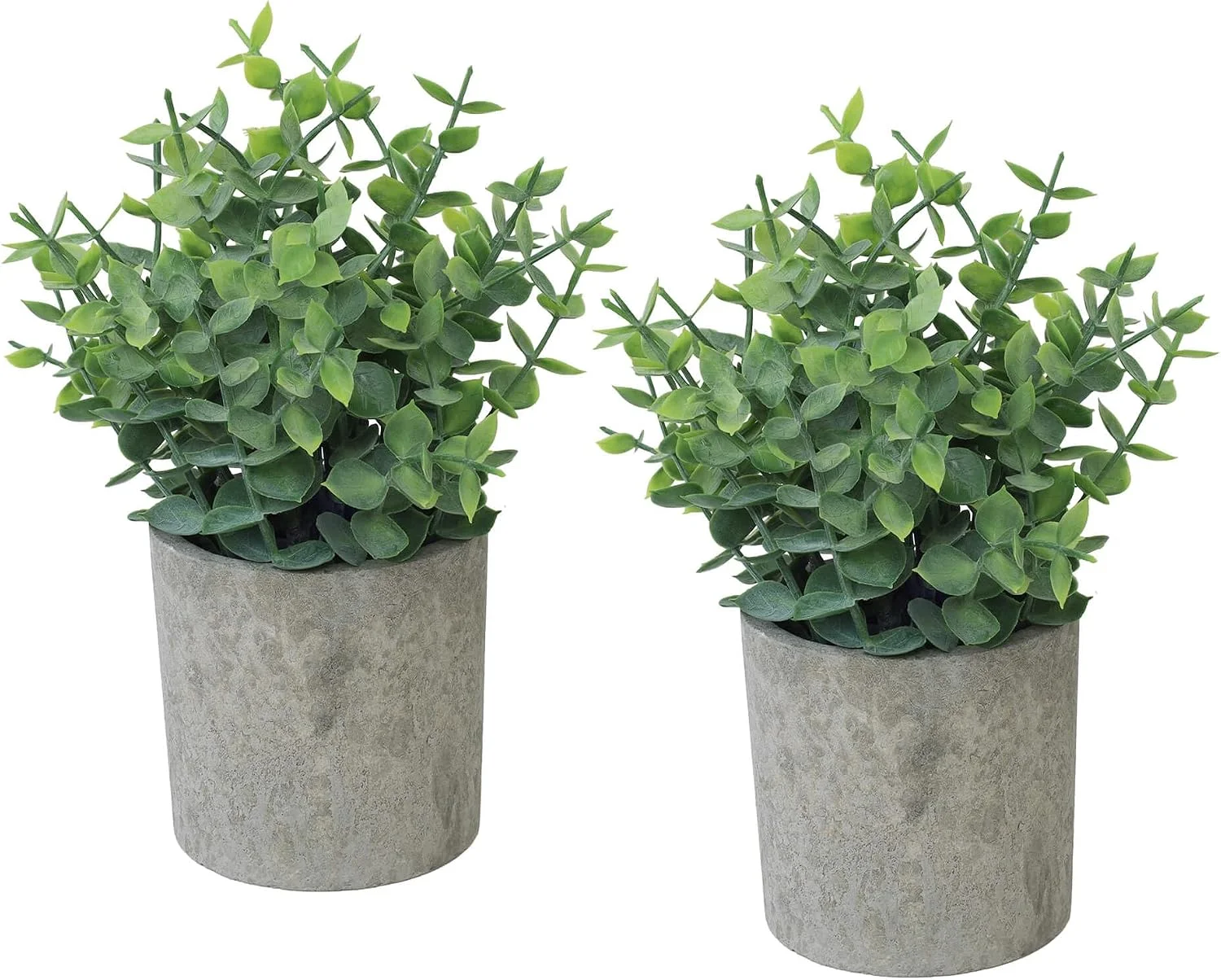
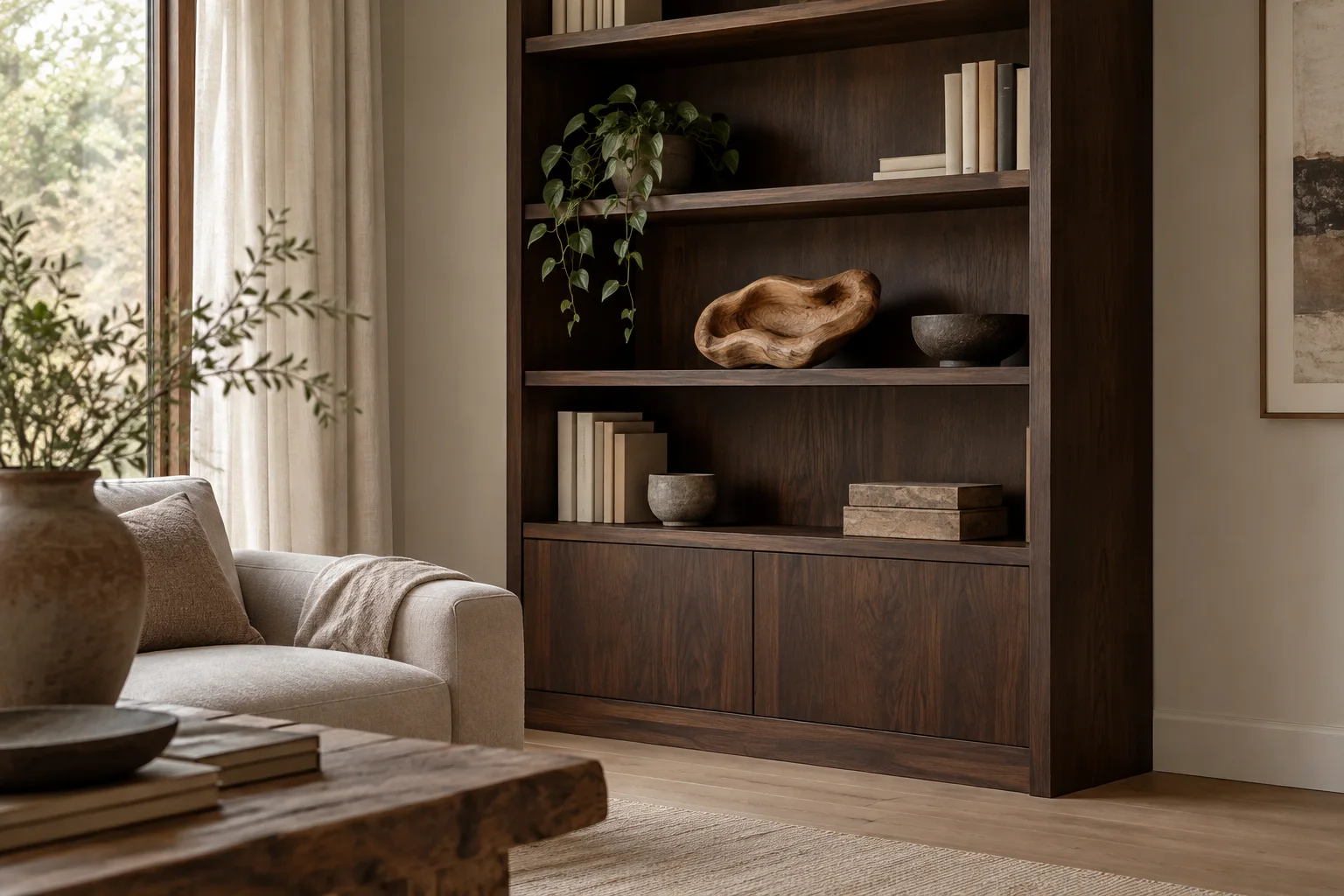
Introduce a pale wooden shape and a little greenery beside a restrained book group. Offset the arrangement on the next shelf rather than repeating it directly above.
Begin with the largest book groups and place them where they sit securely. Spread visual weight across the bookcase instead of filling one corner. Check shelf capacity before adding heavy objects.
Leave a wider gap beside a sculptural piece and a smaller one within a book group. This helps each arrangement read clearly. Avoid copying the same stack on every level.
Leave room to pull out books and dust the shelf. When adding something new, remove or relocate an existing accent first so the display does not gradually become a solid row.
A few helpful answers
Yes. Use one main book group and a smaller counterpoint, making sure the shelf and mounting can support them.
Repeat a material or a quiet accent color nearby rather than hiding every cover.
A LITTLE INSPIRATION
The Roomora journal
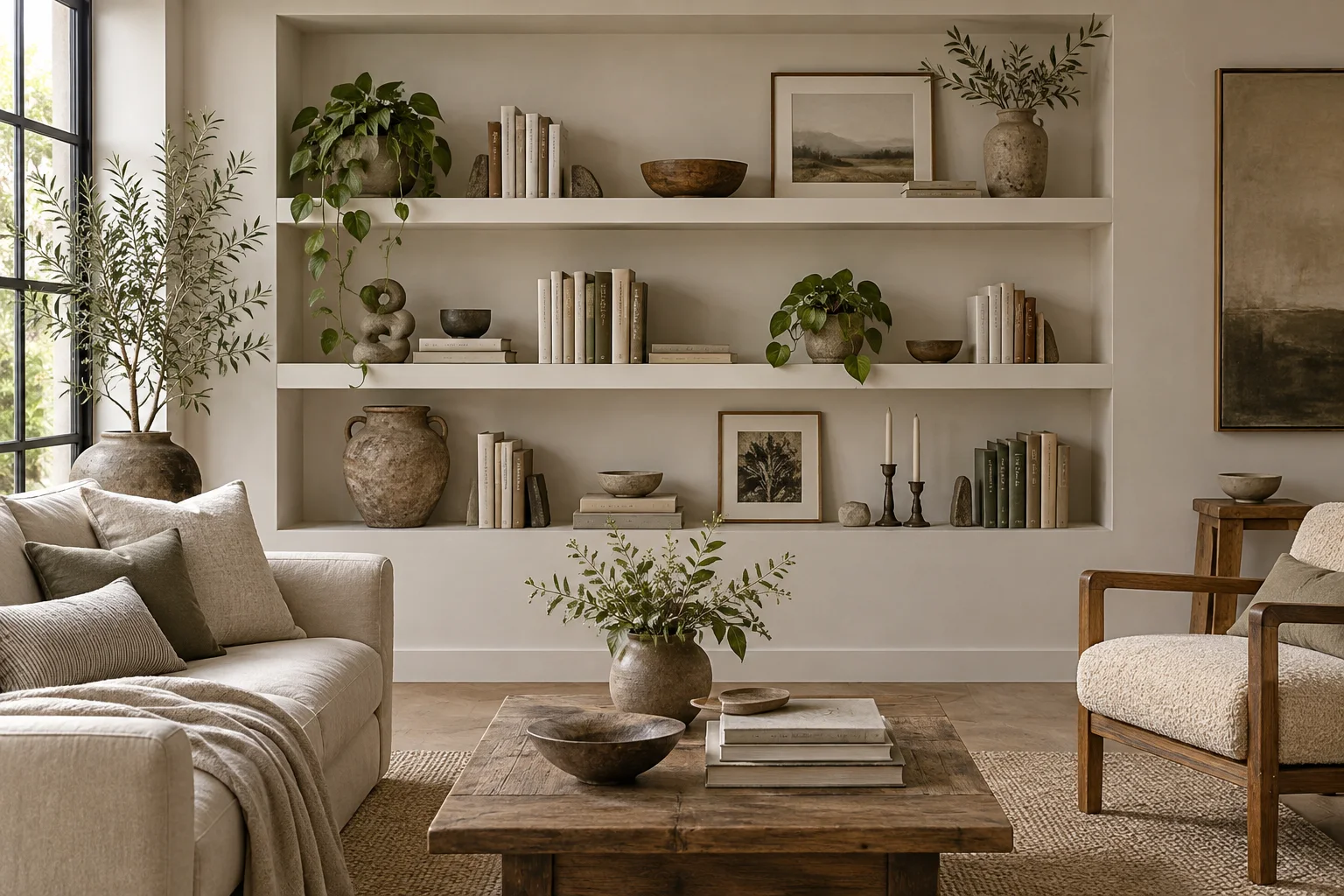
Arrange living room shelves in five steps, balancing books, personal objects and the space between them.
The Roomora journal
Use horizontal stacks and upright groups to add structure without turning every surface into a display.